

Asia & Africa Forum on Climate Adaptation and Resilience for Workers
About the Forum
People's Courage International convened a high-level working forum - the Asia & Africa Forum on Climate Adaptation and Resilience for Workers - bringing together leaders across philanthropy, insurance, business, labour, research and civil society to ask what it will take to move worker protection from pilots to institutional practice.
 Welcome Address
 Keynote Speaker
 Keynote Speaker
Knowledge Launch
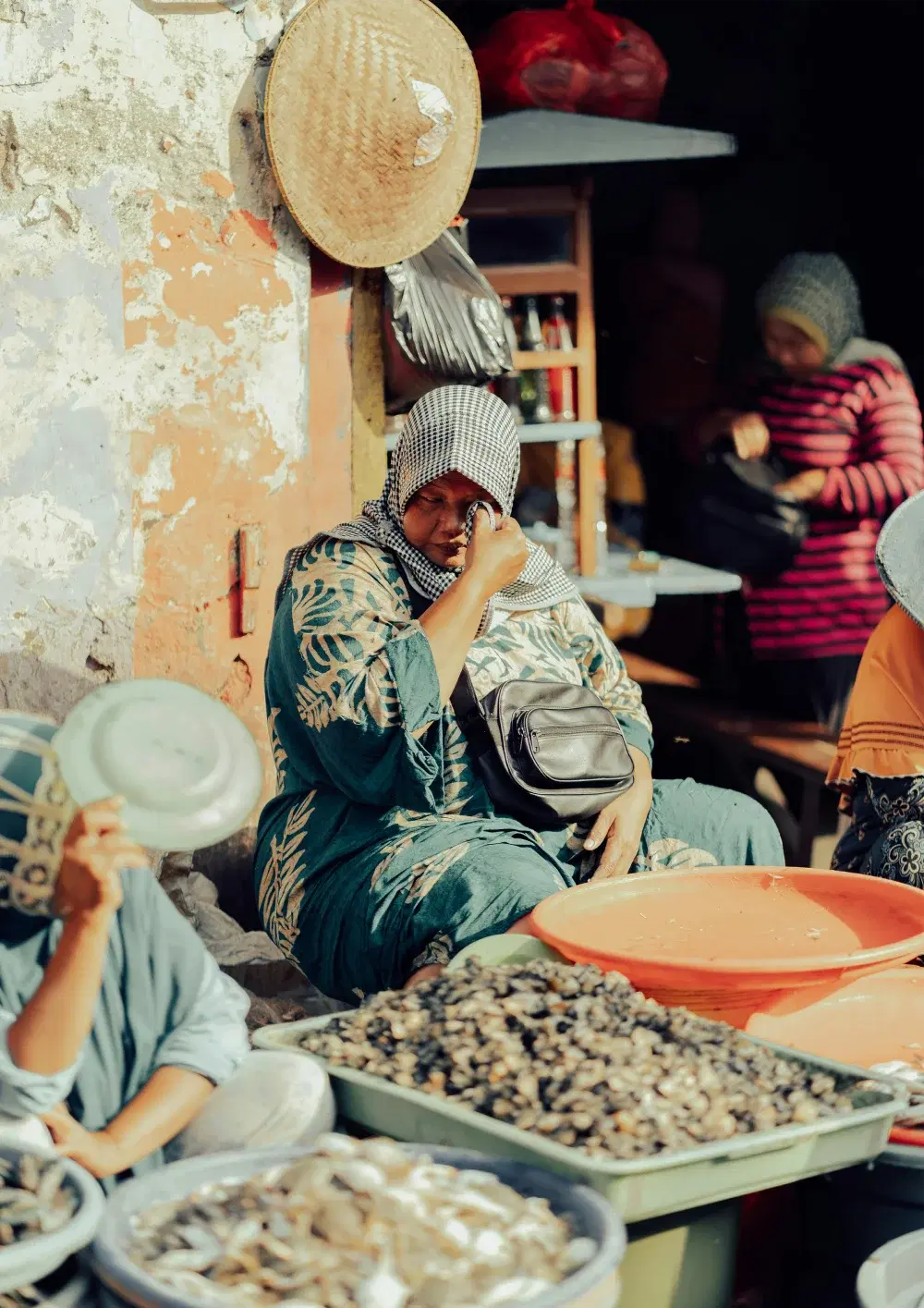
Informal workers keep our cities, economies and global supply chains running. Yet they face the brunt of the climate crisis with limited protections.
PCI spent two years engaging directly with these workers. Our regional study documents their lived realities — and the findings demand action: practical, scalable solutions built with and for the communities most at risk. Fuelled by this research and our work across key geographies, the forum's agenda drove forward concrete innovations across five priority areas.
- 1.Parametric insurance for informal workers
- 2.Non-financial heat resilience solutions
- 3.Air quality (AQI) interventions to protect workers during periods of severe pollution
- 4.Climate-resilient housing and community spaces
- 5.Adaptive social protection systems and worker-centred urban climate policy

Forum Panels
Climate risks are rarely isolated events. Workers face multiple, overlapping hazards — heat, floods, cyclones, droughts and erratic rainfall — that directly affect livelihoods, mobility, health and recovery. These panels moved the conversation from diagnosis to scalable, financed solutions.
From Climate Shock to Climate Security: Scaling Insurance, Risk Protection and Financial Resilience for Workers
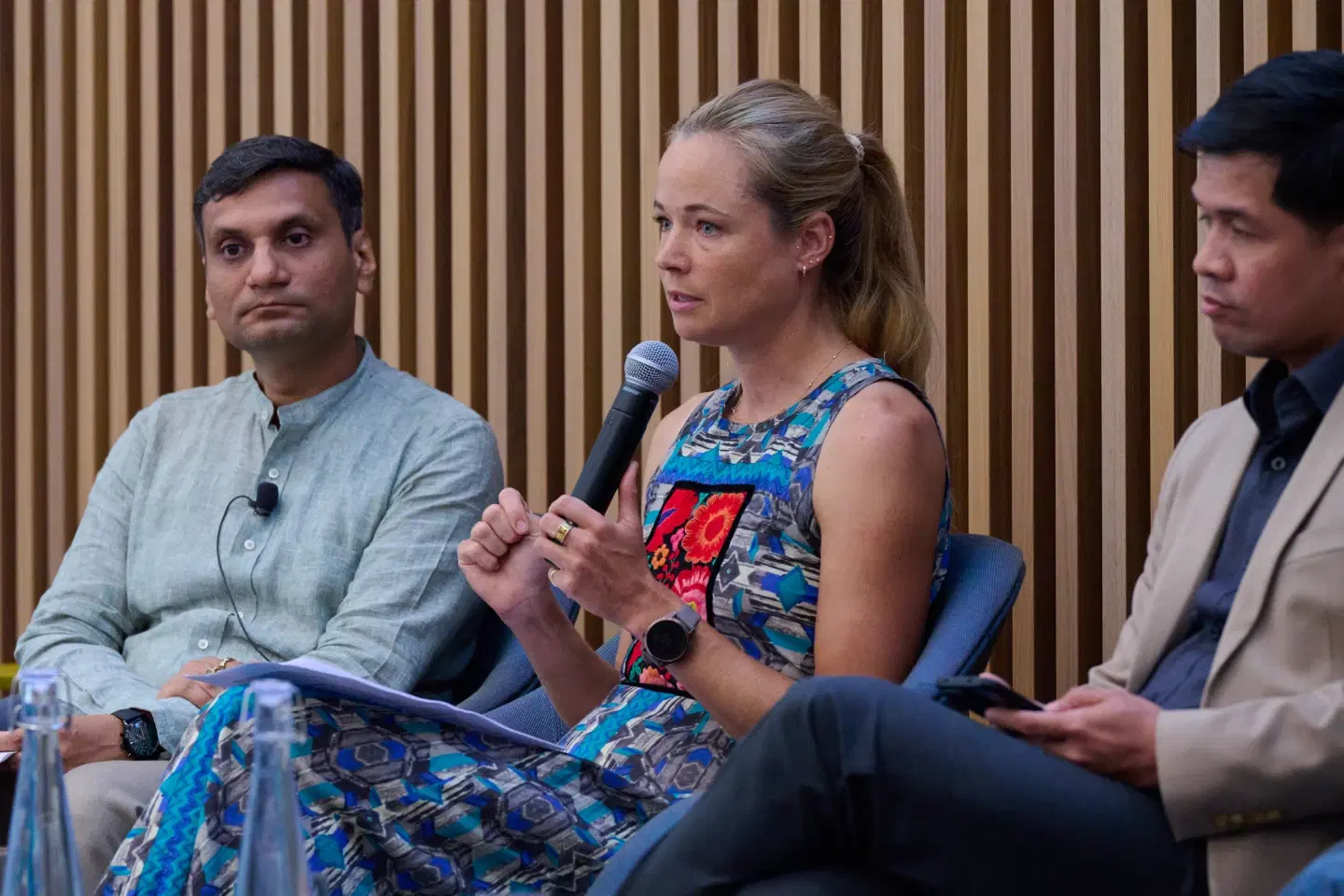
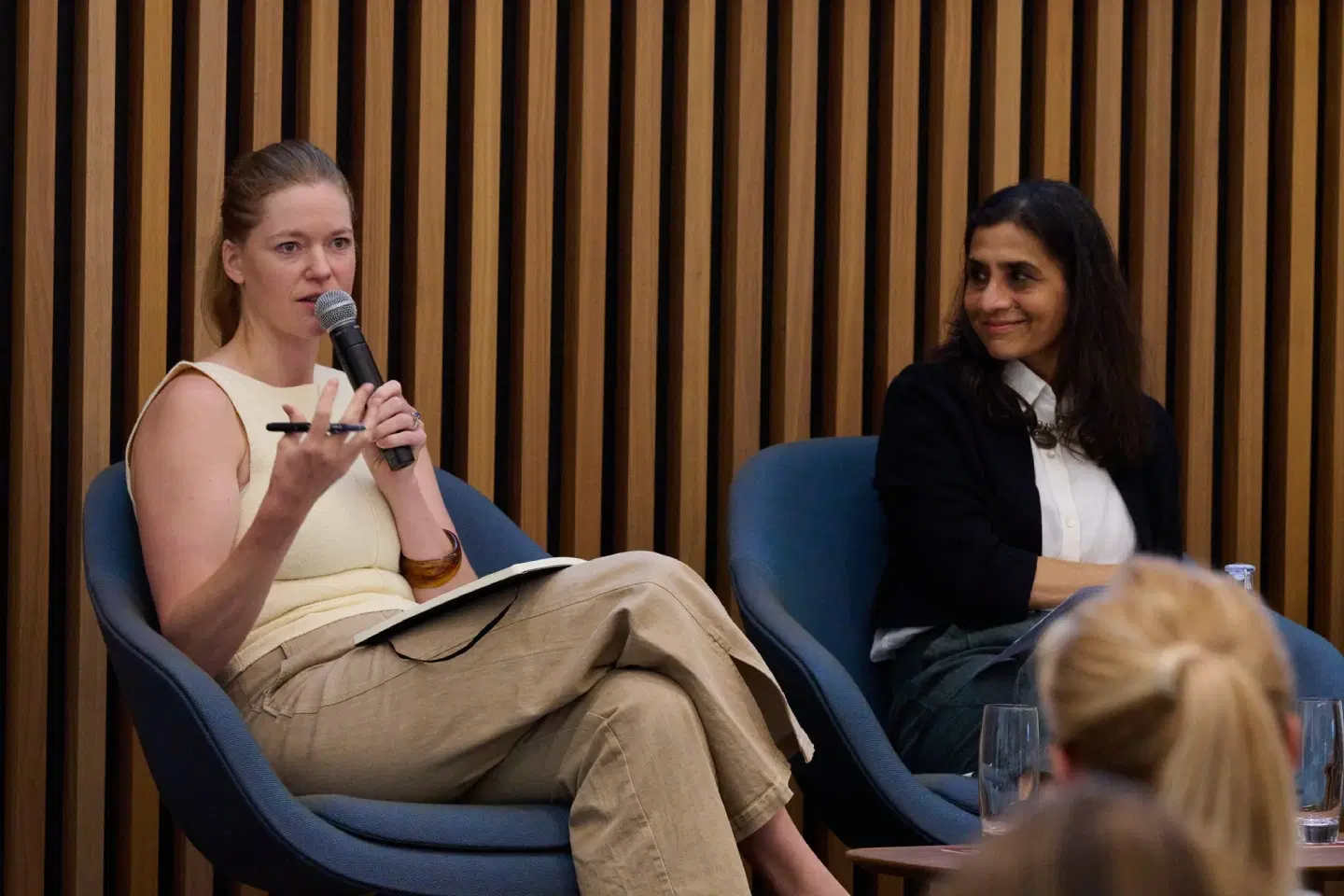
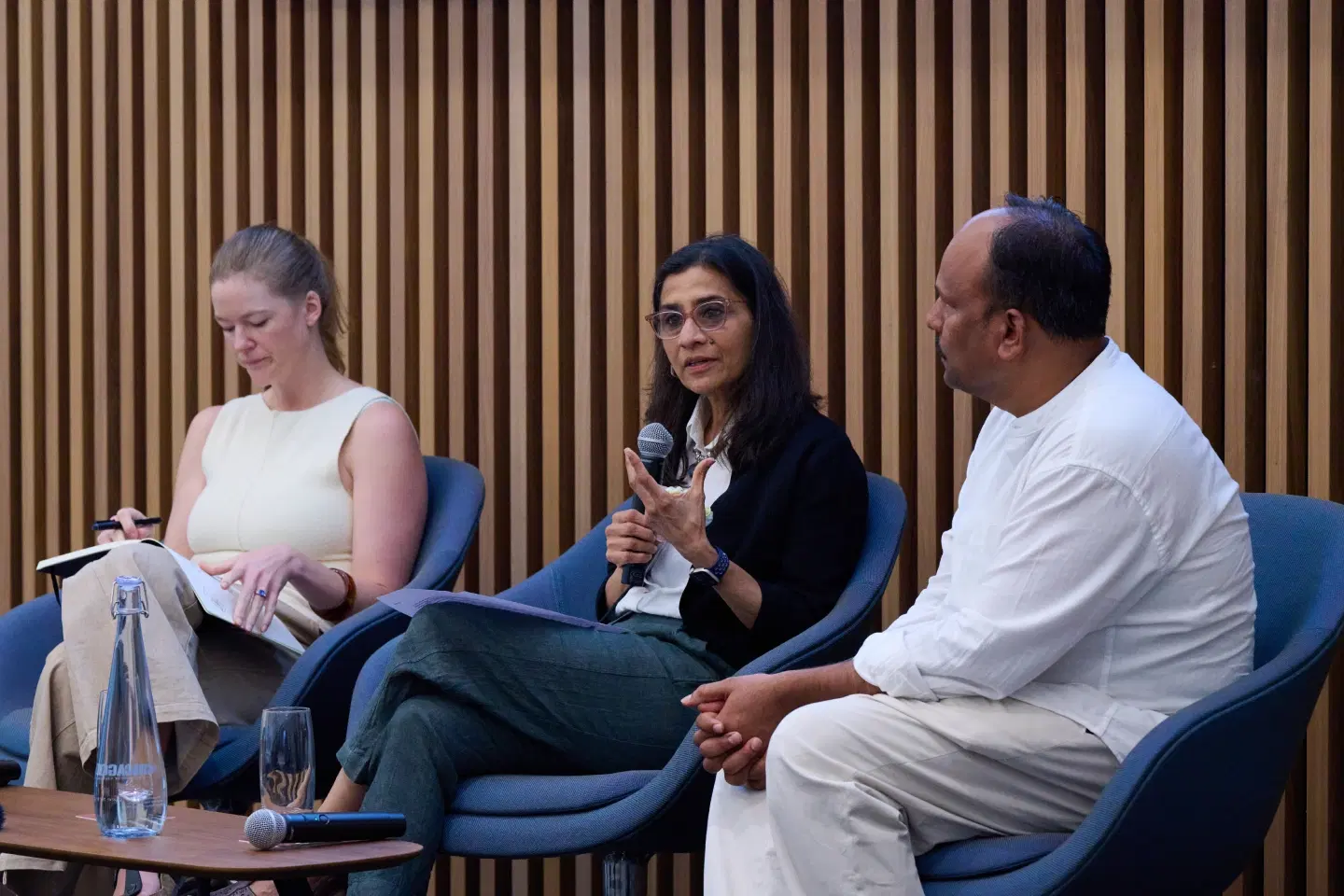
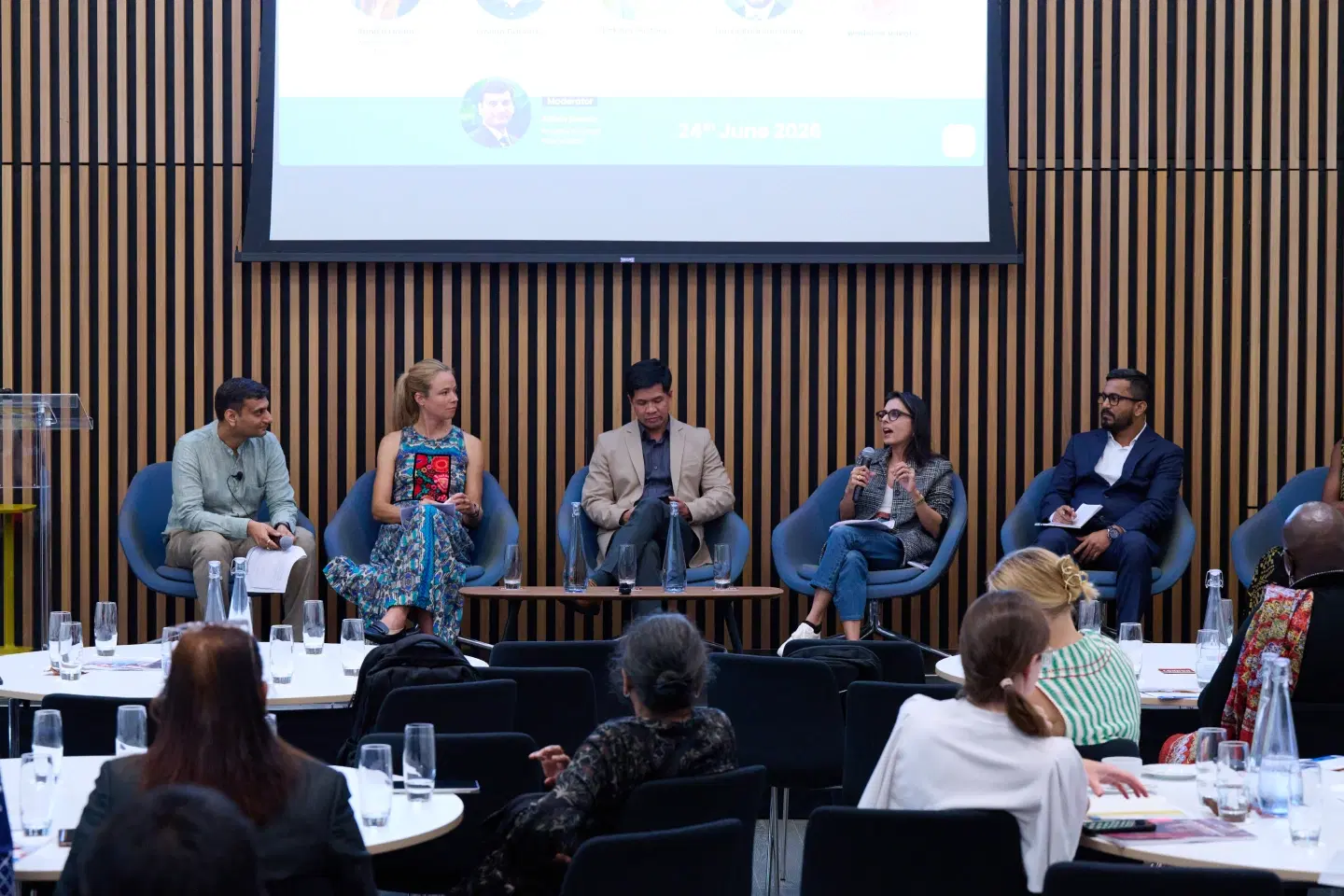
A panel discussion to deepen understanding of the multi-peril climate realities faced by informal workers — and to explore the product innovations and partnerships needed to build effective, scalable and sustainable financial protection systems.
 Moderator



Forum Highlights
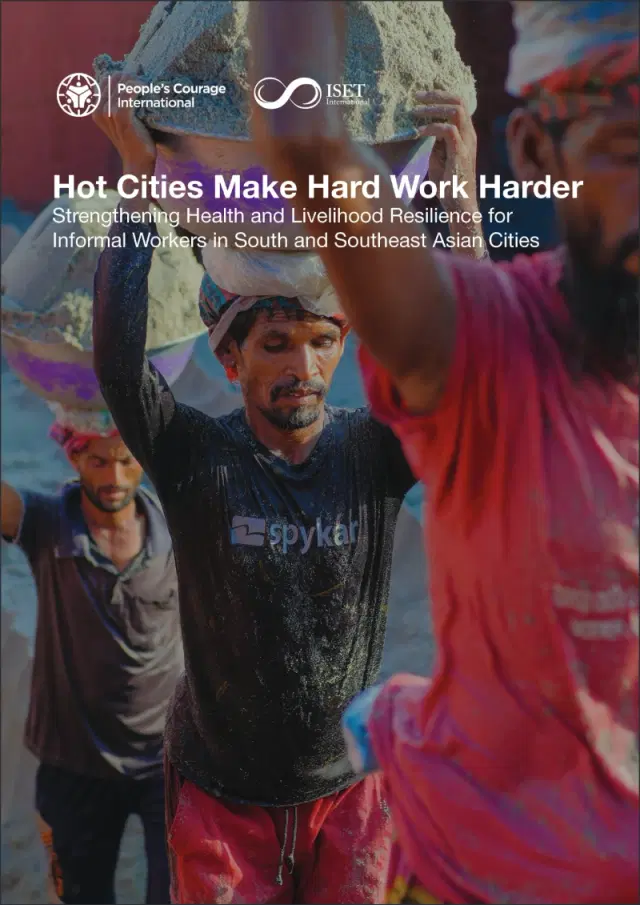
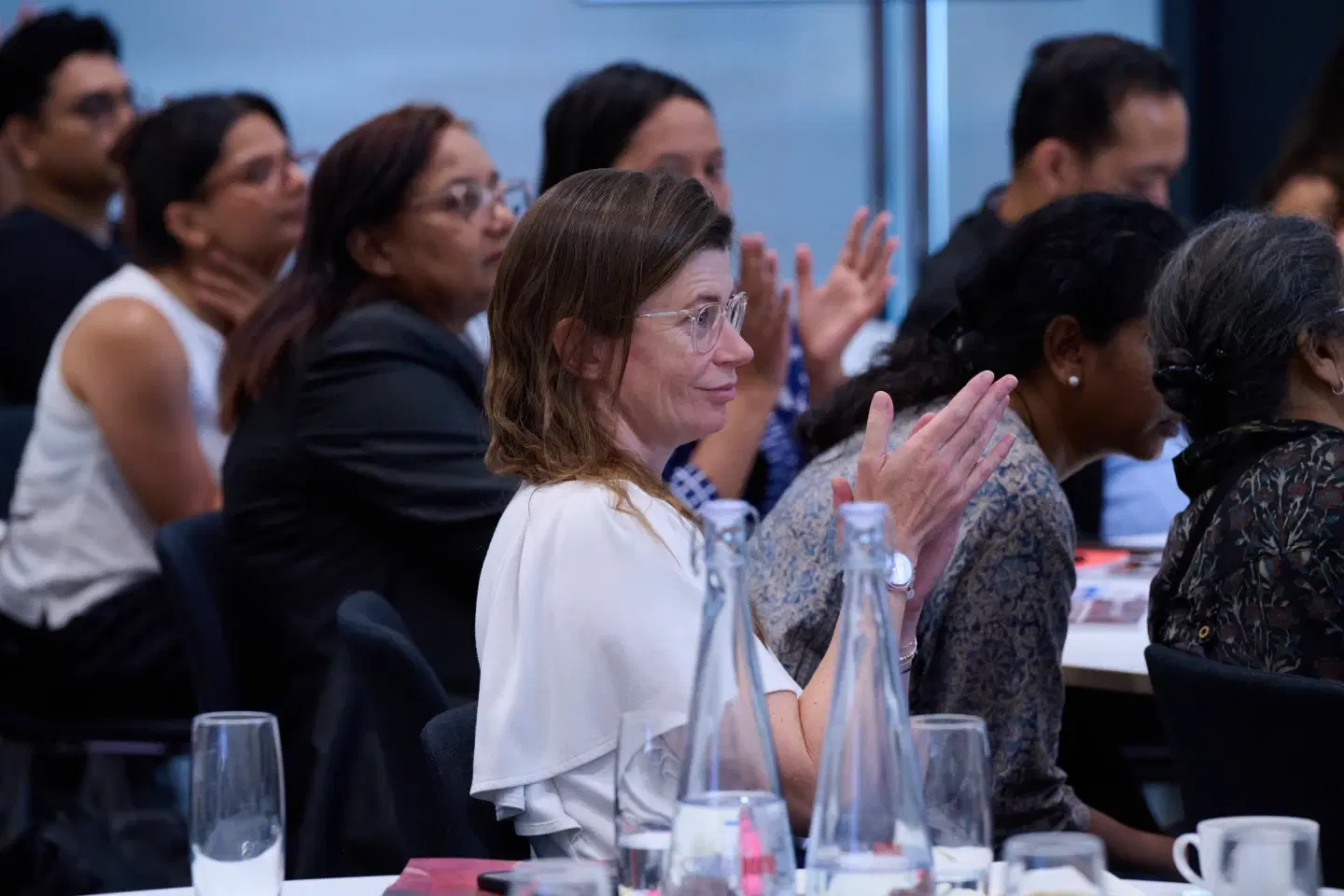
The forum brought together experts across sectors to discuss multi-peril climate risk, worker-centred adaptation, financial protection and practical pathways from pilots to systems. The discussions were grounded in the realities of those directly impacted by the impacts of climate and heat. The insights from our research, Hot Cities Make Hard Work Harder: Strengthening Health and Livelihood Resilience for Informal Workers in South and Southeast Asian Cities, helped deepen the room's understanding of how heat affects informal workers across all facets of their life. The speakers also highlighted the critical role of financial sector and philanthropy in advancing climate adaptation and resilience for workers and communities.
Informal workers build highways, airports, hospitals and schools. But when they face challenges, there are no adequate support systems. It is important that we build their economic resilience and protect their dignity.
[One of the things] we can do as philanthropy is listen with humility, setting aside our blind spots around institutional power. Unless we listen humbly, we're going to be solving for the wrong things and funding the wrong solutions.
For the financial sector, in particular, the climate impact is not just a social issue. It is what I would call a systemic, economic, and financial risk.
No single tool is efficient [to build resilience of workers against climate shocks]. It has to combine insurance, social protection, early warning systems, adaptive safety and savings.
Past Convenings: PCI at LCAW 2025
Last year, our convening at LCAW 2025 unpacked how businesses can respond to climate and social risks in value chains, while advancing resilience and equity for workers. The conversations emphasised that worker dignity must be core to climate action, and corporate risk frameworks must integrate labour abuse and climate vulnerability.